
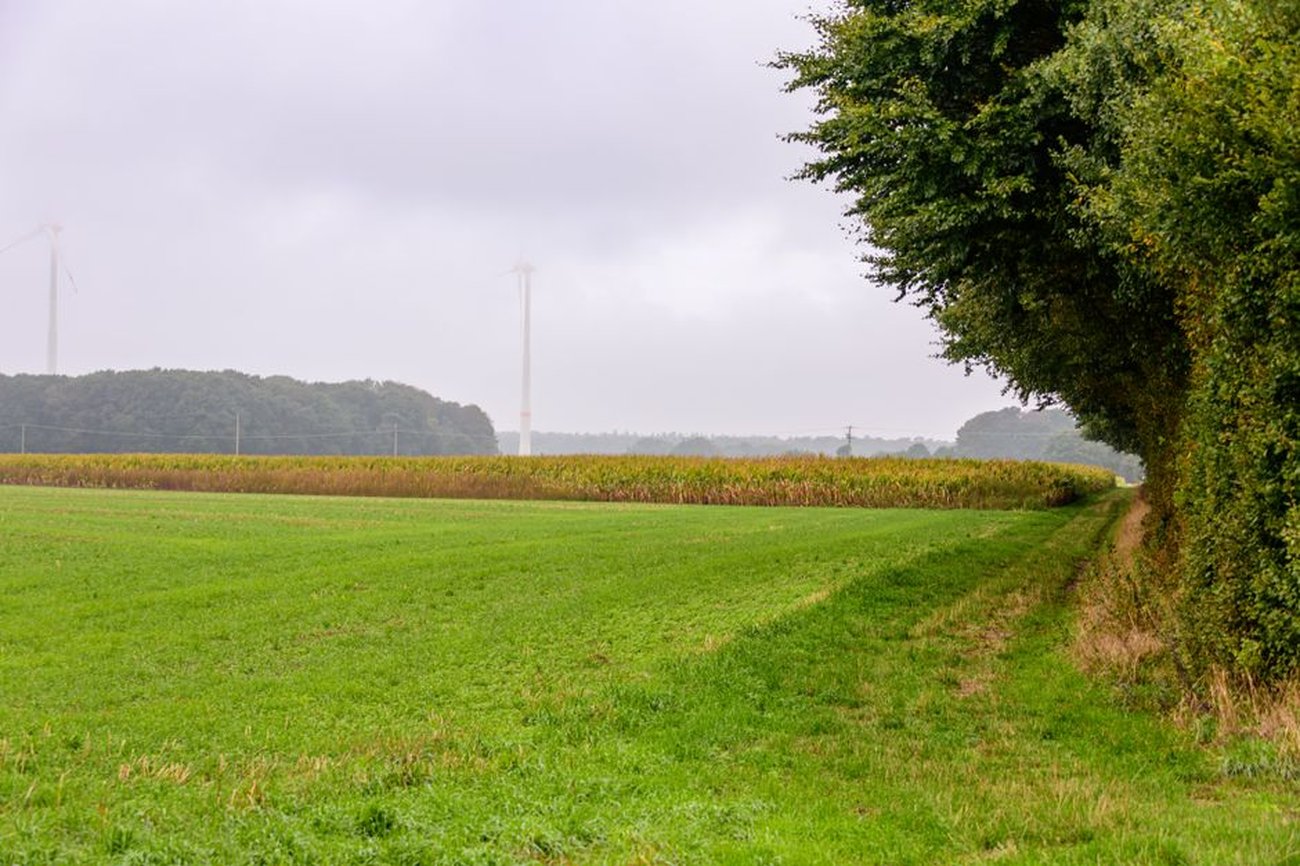

Year-Round Hedge Care: A Seasonal Maintenance Calendar
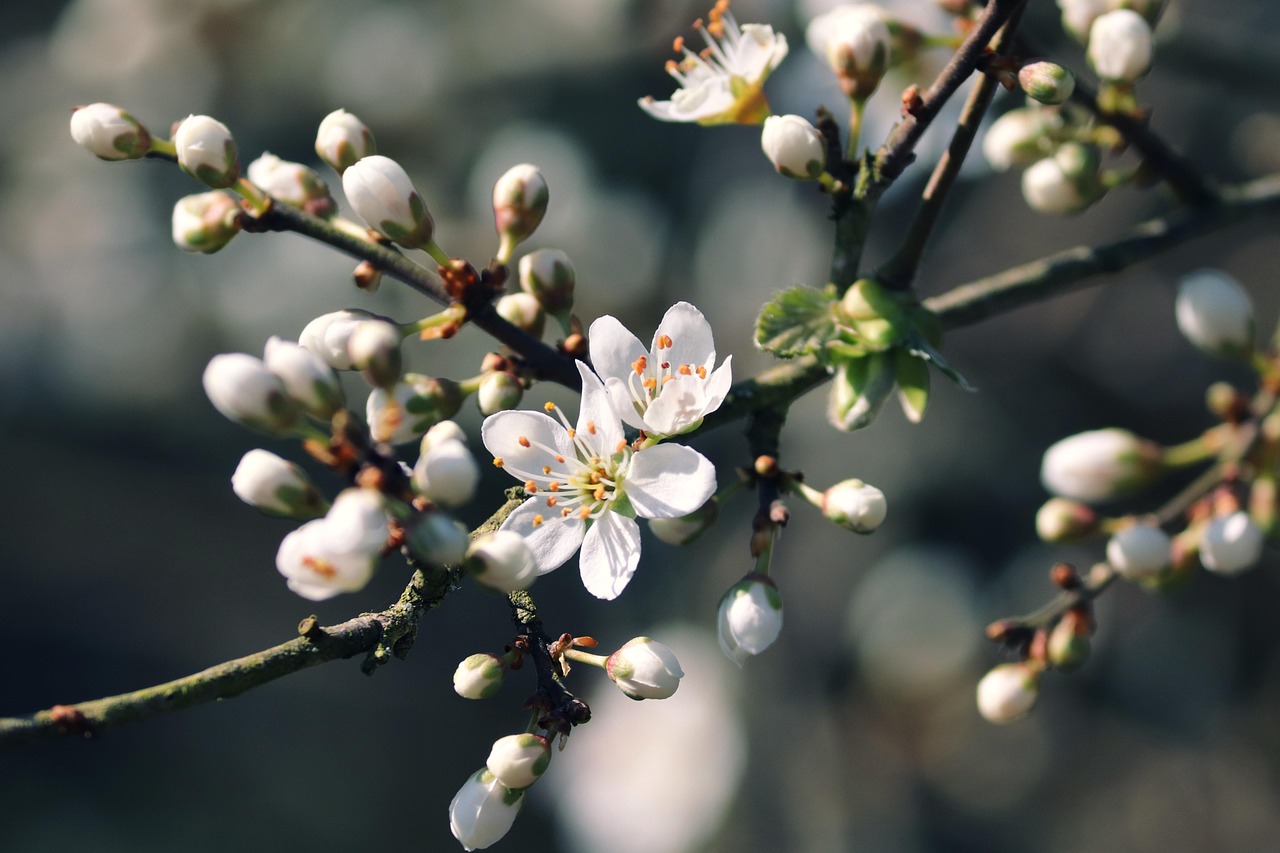
A native hedge is not a fence. It's a living community of plants, insects, birds, and mammals, and it changes through the year. Managing it well means working with that rhythm rather than against it. The good news is that hedge care is mostly about doing the right thing at the right time — and then leaving it alone. Here's a seasonal guide to keep you on track.
Winter is the season for structural work. From late autumn through to early March, while the hedge is dormant and before birds nest, you can plant new whips, gap up thin sections, coppice overgrown stools, and lay or trim hedges that have got out of hand. This is also the time to mulch young plants and check guards and stakes after winter storms. Avoid working in hard frost, and always check for hibernating wildlife in dense bases before cutting.
Spring and Summer: Hands Off
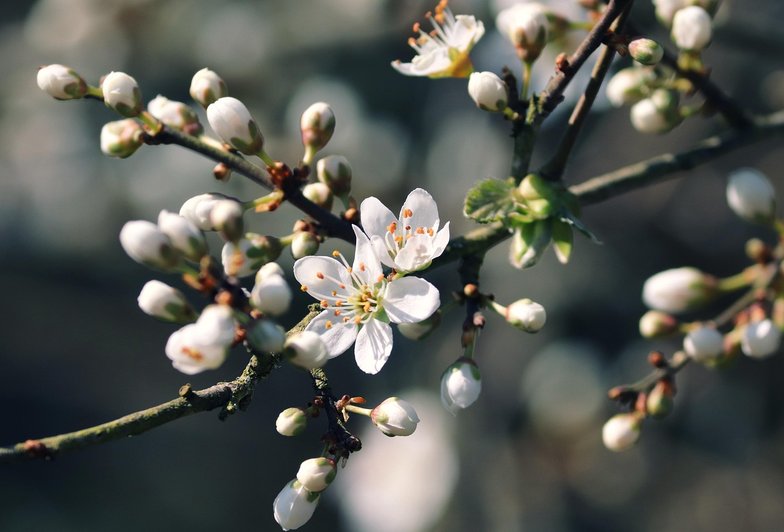
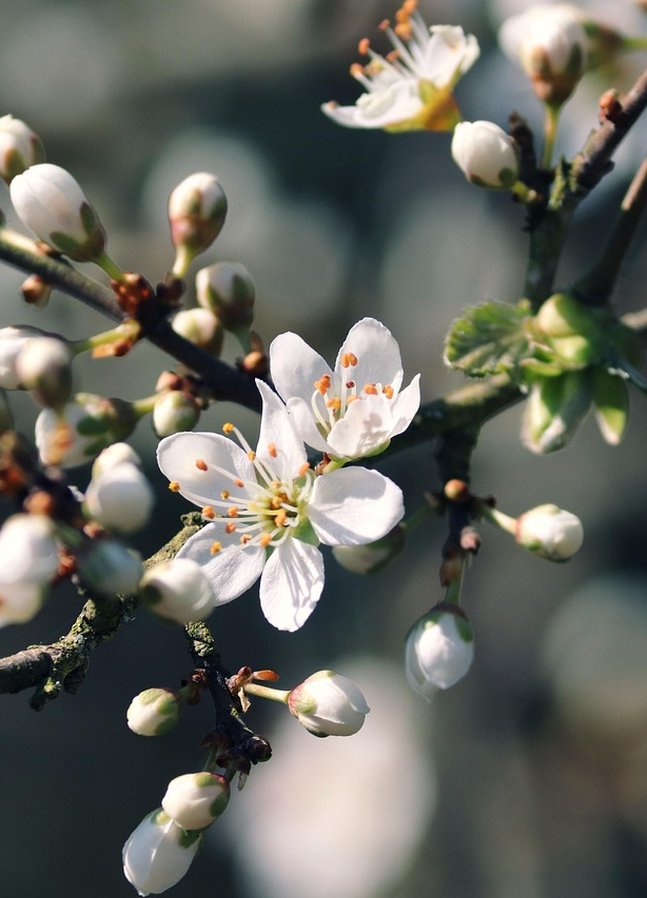
Once March arrives, put the tools down. Birds are nesting, and hedge trimming at this time can destroy nests and disturb breeding. The Wildlife and Countryside Act protects active nests, so this isn't just good manners — it's the law. Use spring and summer to observe instead. Walk your hedge regularly and note what's using it: which species are flowering, where birds are nesting, whether there are gaps that need filling next winter. This is also a good time to water newly planted whips during dry spells in their first two summers.
If you must trim in summer — for example, to keep a path clear — do it lightly and by hand, and only after checking carefully for nests. But in general, resist. A hedge allowed to flower and fruit through summer is feeding pollinators, moths, and birds in a way a trimmed one simply can't.
Autumn: The Main Cut
September and October are the traditional months for the main annual trim, once nesting is over and before the worst of the winter. The golden rule is to cut on a slight A-shape — wider at the base, narrower at the top. This lets light reach the base, keeping the hedge dense all the way down instead of going leggy and hollow. Cut only the current year's growth where you can; heavy cutting into old wood can leave a hedge looking bare for years.
If you can, trim on a two- or three-year rotation rather than every year. Letting the hedge flower and fruit some years gives wildlife a much better deal, and a slightly looser hedge is arguably more beautiful anyway. Leave any hedge trimmings in a pile at the base — they're a habitat in themselves.
Autumn is also the time to plant new hedges. Bare-root whips are available and cheap, the soil is still warm, and autumn rain does the watering for you. Get them in by early winter and they'll be off to a flying start come spring. Whatever your hedge's age, the principle is the same: do the heavy work in winter, leave it be in spring and summer, and make the most of autumn for planting and the main trim.



A month-by-month guide to keeping your native hedgerow healthy without harming the wildlife that depends on it.
Short on space? These compact native shrubs deliver flowers, berries, and nesting cover without swallowing your garden.
Bare-root hedging is cheap, quick to establish, and easy to plant if you get the timing and technique right.
A wildlife hedge earns its keep by offering flowers, berries, and shelter across the seasons, so pick plants with more than one job.
The way you cut a hedge decides whether it feeds wildlife or just looks tidy, so it pays to know when to trim and when to leave well alone.