


Native Hedges for Small Farms: Shelter, Boundaries, and Biodiversity
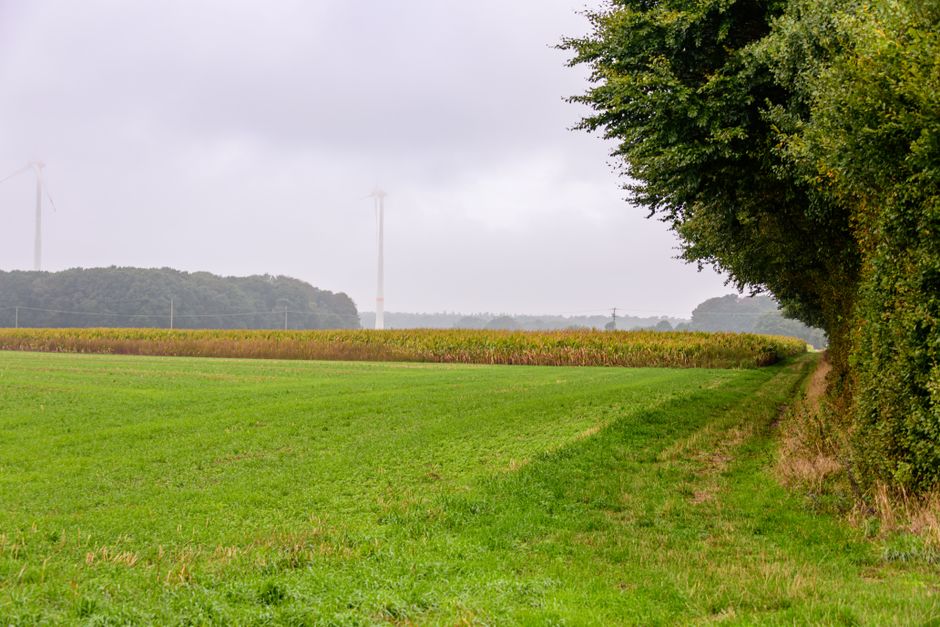
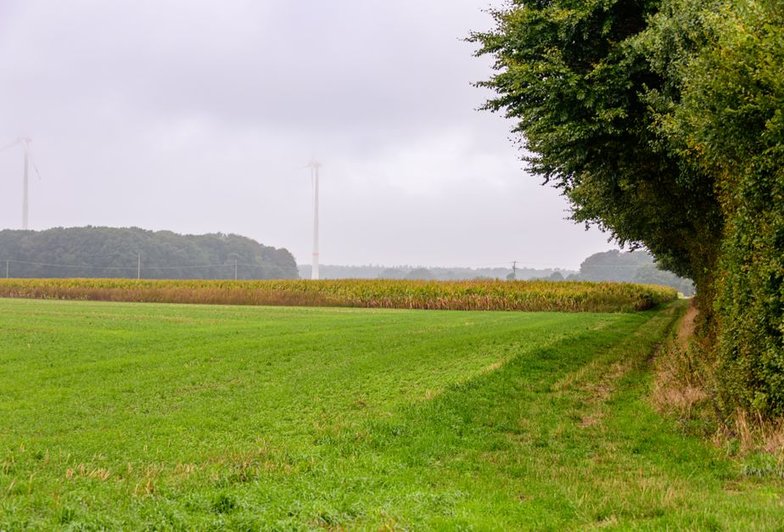
On a small farm, every metre of ground has to work. A native hedge might look like a simple boundary, but planted and managed well it becomes a genuine asset. It shelters livestock and crops from wind, houses the insects and birds that keep pests in check, and provides a harvest of its own in fruit, nuts, and firewood. The key is to treat the hedge as part of the farm system rather than an afterthought.
Wind is one of the quietest costs on a smallholding. A solid wall or fence blocks wind but creates damaging turbulence on the sheltered side. A permeable hedge, by contrast, filters the wind and slows it, reducing stress on grazing animals and protecting vulnerable crops. Livestock sheltered by hedges gain weight more easily in cold weather and suffer less from wind chill. Even a modest hedge along a field edge can make a noticeable difference to how a paddock feels in winter.
Choosing Species That Suit Working Land
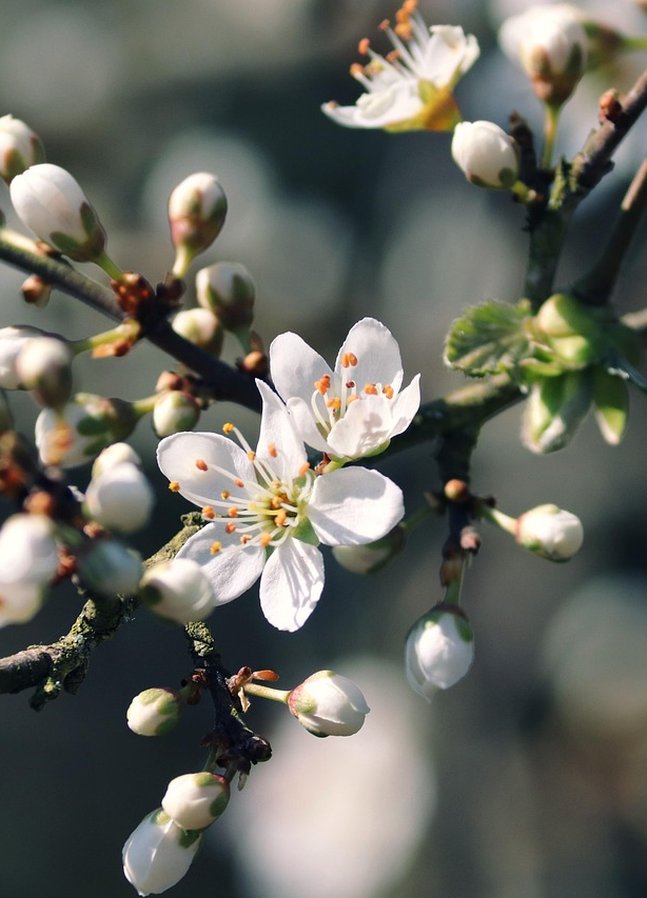
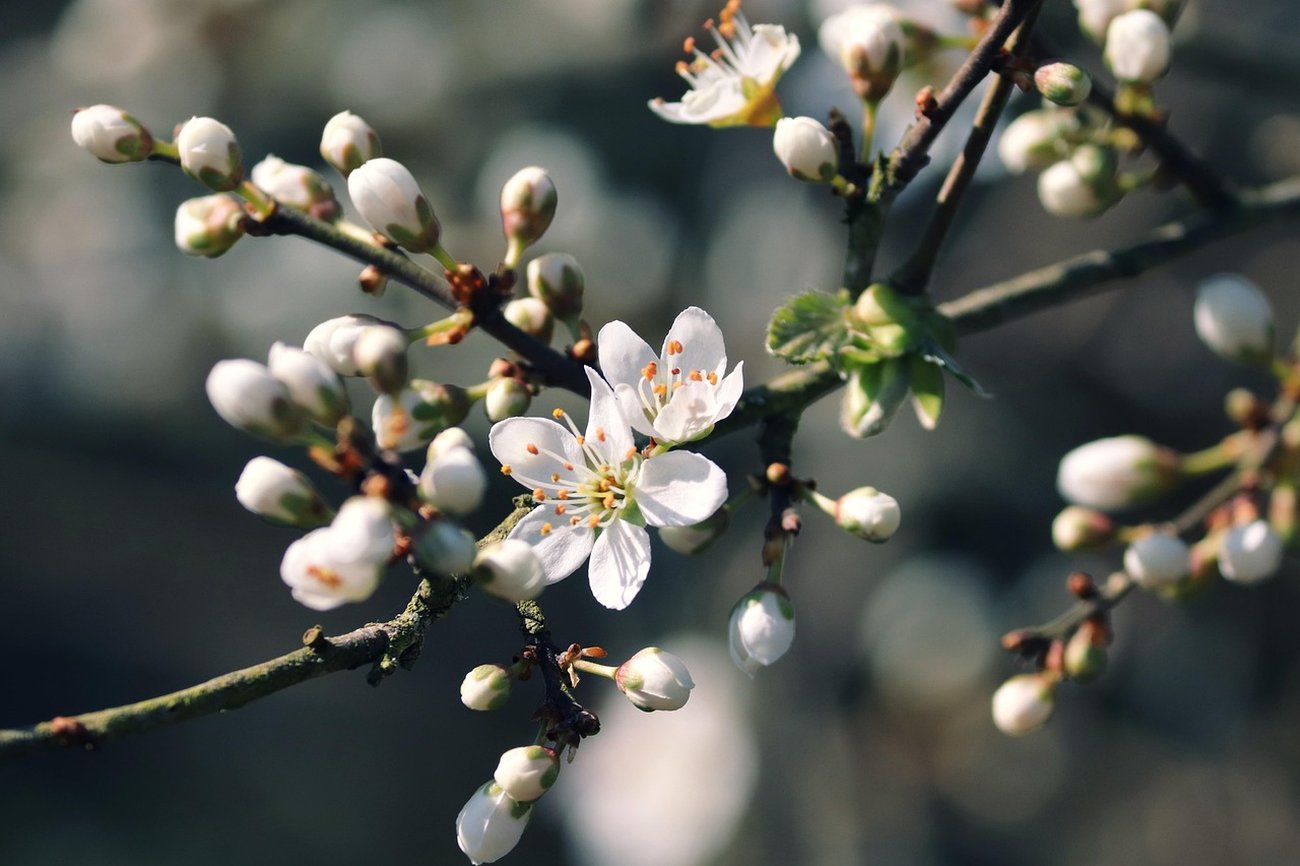
For farm hedges, choose robust native species that tolerate clipping and grazing pressure. Hawthorn is the traditional backbone, tough and thorny, and it makes a stock-proof barrier in time. Blackthorn adds early blossom and dense thorns but suckers freely, so it needs managing. Hazel, field maple, and dog rose fill out the mix, while holly and yew, though slower, give evergreen cover and winter berries.
On wet ground, alder and willow will thrive where others struggle, and their fast growth gives quick shelter. If you want a hedge that earns income or food, add species like hazel for nuts, elder for flowers and berries, and crab apple for fruit. Avoid planting invasive or non-native species that spread into neighbouring land or fail to support local wildlife. Native plants evolved alongside local insects and birds, so they support far more life per metre than exotic alternatives.
Spacing and layout matter on a farm. A double row of staggered whips gives a thicker, more wind-resistant hedge than a single line. Allow enough width for the hedge to grow without encroaching on productive ground, and keep a grass margin at the base rather than ploughing right up to the stems. That rough margin is where hedge wildlife lives, and it protects the hedge roots from damage by machinery and livestock.
Managing Farm Hedges for Long-Term Value
The old practice of hedge laying is worth reviving on a small farm. Laying rejuvenates a hedge by cutting partway through the stems and bending them over, which encourages dense new growth from the base and creates a living, stock-proof barrier. It is more work than trimming, but a laid hedge lasts for decades and needs less frequent attention. If laying is not practical, rotational trimming at the right time of year will keep the hedge healthy and productive.
Fence off new hedges from livestock until they are established, as browsing animals will strip young whips in days. Once mature, a hedge can be lightly grazed underneath without harm, and the grass margin can be managed with a late cut to avoid disturbing nesting birds. Over time, a well-planned native hedge pays back in shelter, biodiversity, and a landscape that works harder for the farm every year.

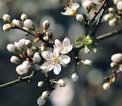
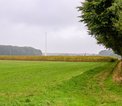
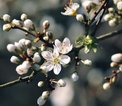
On a working smallholding, a native hedge earns its place by sheltering livestock, cutting wind damage, and supporting pollinators alongside crops.
If your boundary is all posts and wire, you can replace it with a living native hedge that looks better and does far more for wildlife.
A practical walkthrough of how to match native hedge species to your site's soil, drainage, and climate before you ever dig a hole.
Hedge laying is the old skill of partially cutting and bending stems to create a dense, stock-proof living barrier — and it's still the best thing you can do for wildlife.
How to plan a hedge network that links habitats across your garden or smallholding, so wildlife can move safely from one place to another.