
Which Native Hedge Plants Feed Birds, Bees, and Butterflies?
A native hedge does far more than mark a boundary. Done well, it becomes a larder, a nursery, and a winter shelter all at once. The trick is choosing plants that between them provide food and cover right through the year, rather than a single flush of interest in spring. Think of your hedge as a mixed community, not a monoculture, and the wildlife will follow.
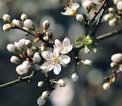
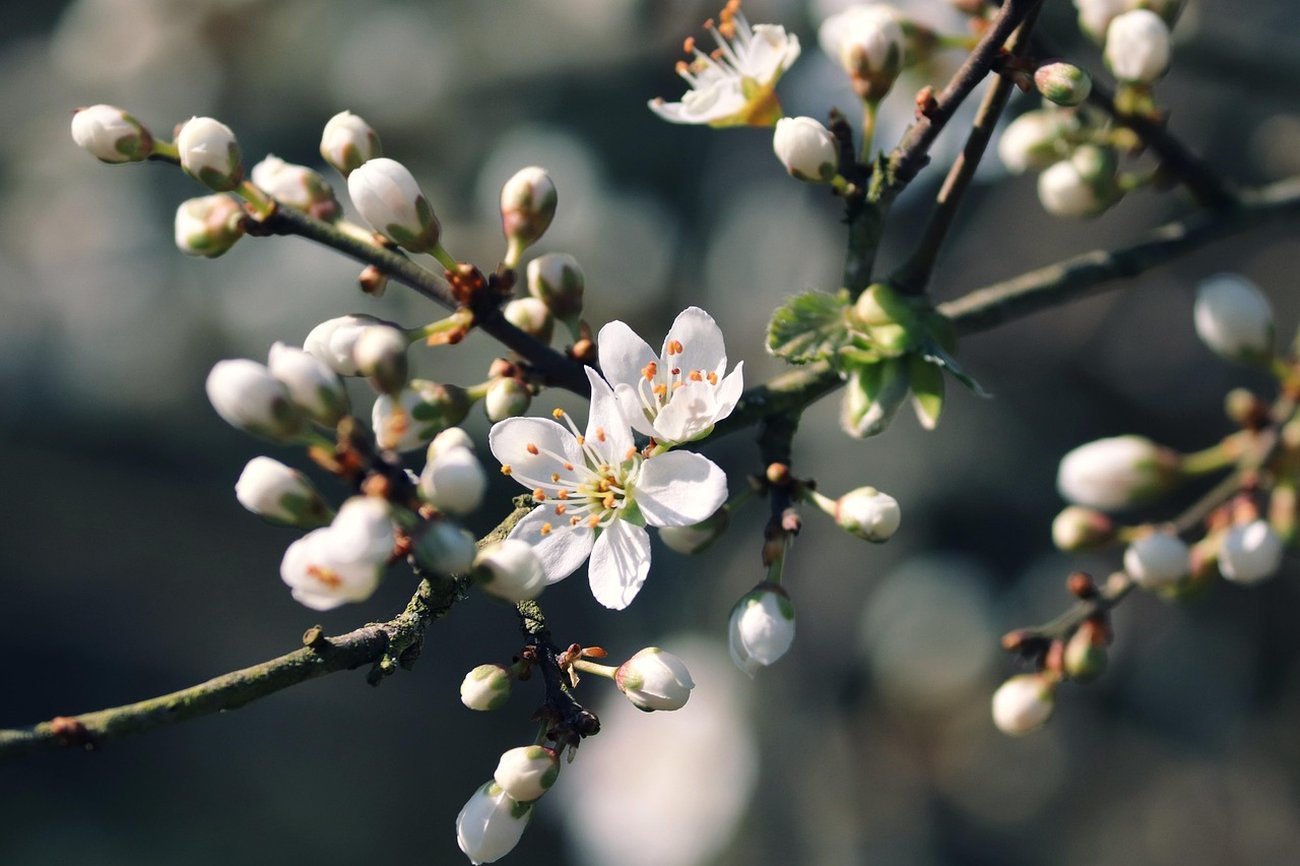
Start with the plants that flower early. Blackthorn is the classic choice, smothering itself in white blossom in March when little else is out. Bees and early butterflies rely on that nectar after a long winter. Hawthorn follows close behind, and its dense, thorny growth is one of the best nesting sites for small birds. Both make excellent hedge foundations.
Berries, Catkins, and Autumn Larders
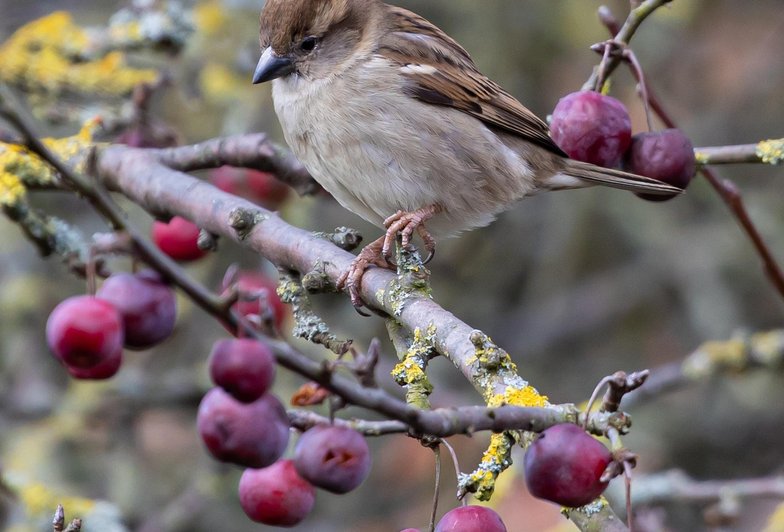
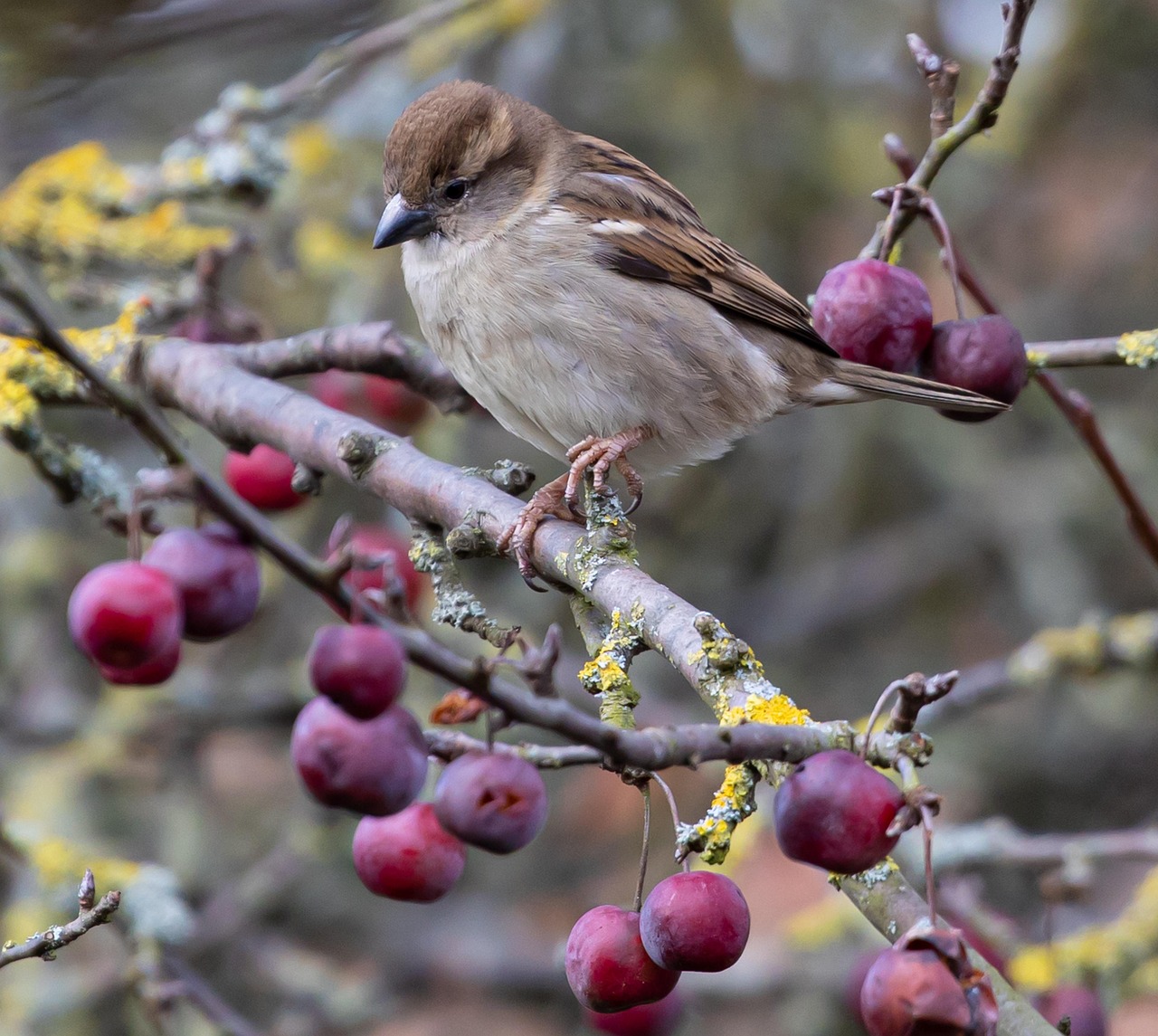
For autumn and winter food, look to plants that carry berries. Holly gives reliable red berries that feed thrushes and fieldfares when frost has stripped everything else. Guelder rose offers translucent red berries and lovely autumn colour. Dog rose produces hips that birds pick at through the cold months, and its scrambling habit fills gaps in the hedge. Elder is another strong addition, though it grows vigorously and may need keeping in check.
Don't overlook the quieter plants. Hazel provides catkins in late winter, an early pollen source for bees, and its nuts feed dormice, squirrels, and jays. Field maple gives shelter and its seeds feed small mammals. If your soil is damp, alder and willow will thrive and offer cover for frogs and insects. A hedge that mixes thorny, berry-bearing, and catkin-producing plants becomes a genuine habitat rather than a green fence.
Butterflies need more than nectar. Many species, including the browns and hairstreaks, lay eggs on specific native plants and their caterpillars feed on the leaves. Including species like buckthorn, which supports the brimstone butterfly, or elm suckers for the white-letter hairstreak, turns your hedge into a breeding site. Even if you cannot plant everything, a diverse mix gives far more insects a chance than a single species ever could.
Building Structure for Shelter and Nesting
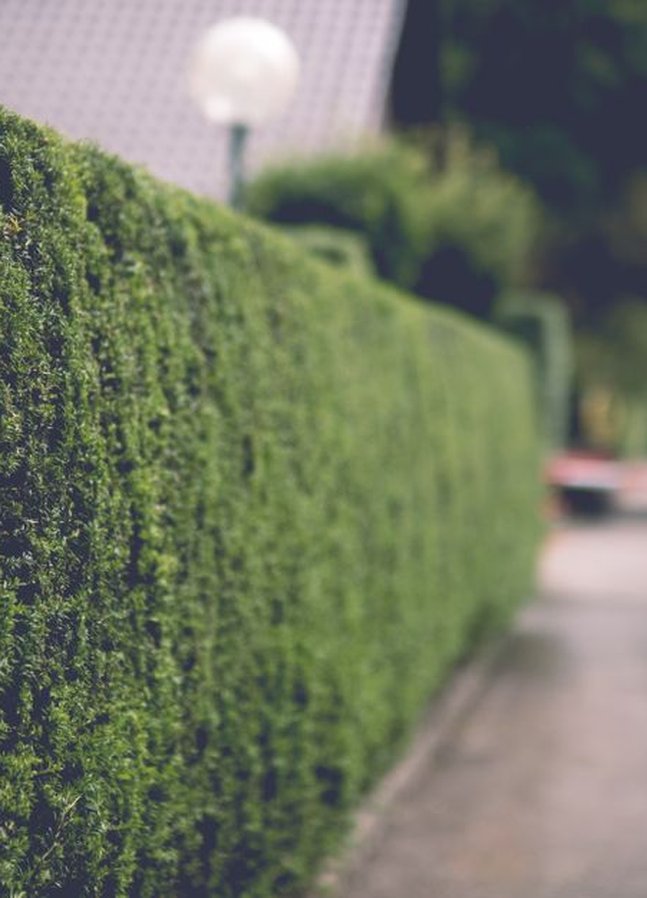
Food alone is not enough. Birds need dense, thorny cover to nest safely, and small mammals need a sheltered base to move along. This is why a mixed hedge trimmed to a slightly rounded profile, wider at the bottom than the top, works so well. The flared base lets light reach the ground, keeps the bottom leafy, and gives ground-dwelling wildlife a protected corridor.
Leave a few plants to grow taller and let some berry-bearing species flower and fruit without being cut back every year. Cutting a hedge all over at the same time removes flowers and berries before wildlife can use them, so trim in rotation or leave sections for a season. A hedge managed with wildlife in mind will hum with bees in spring, rustle with birds in autumn, and quietly shelter a surprising amount of life through winter.
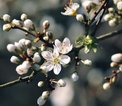
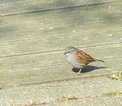
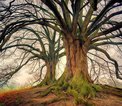
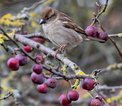
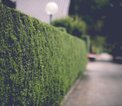
A wildlife hedge earns its keep by offering flowers, berries, and shelter across the seasons, so pick plants with more than one job.
The way you cut a hedge decides whether it feeds wildlife or just looks tidy, so it pays to know when to trim and when to leave well alone.
On a working smallholding, a native hedge earns its place by sheltering livestock, cutting wind damage, and supporting pollinators alongside crops.
If your boundary is all posts and wire, you can replace it with a living native hedge that looks better and does far more for wildlife.
A practical walkthrough of how to match native hedge species to your site's soil, drainage, and climate before you ever dig a hole.