

The Best Native Hedging Plants for Small Gardens
Not everyone has a field boundary to plant. Plenty of us are working with a narrow strip along a fence, a short run beside a path, or a corner of a small garden. The good news is that native hedging works beautifully at small scale — you just need to choose species that stay manageable and don't mind being kept in check. Here are some of the best options for compact spaces, along with how to use them.
First, a note on why native matters. Native shrubs have evolved alongside our local insects, birds, and mammals, so they support far more life than most ornamental alternatives. A native hedge in a small garden can still feed dozens of species. The trick is picking plants that suit your space and your patience for pruning.
Compact Native Shrubs Worth Growing
Hawthorn is the classic, and for good reason — it's dense, thorny, and superb for nesting birds. It can be kept to around 1.5–2m with an annual trim. Blackthorn is similar but suckers more, so give it room or plant it where spreading is welcome. Hazel is excellent for small gardens: it responds well to coppicing, has lovely catkins in late winter, and produces nuts for wildlife (and you, if you get there first).
Guelder rose is a personal favourite for tight spaces. It's relatively compact, has beautiful lace-cap white flowers in early summer, and turns brilliant red in autumn. Dog rose and field rose are climbers by nature and can be trained along a fence or woven into a hedge, giving you flowers and hips in a small footprint. Wild privet is semi-evergreen, grows densely, and clips well — useful where you want a bit of year-round screening. Spindle is another compact option, with spectacular autumn colour and distinctive pink-and-orange fruits.
For a truly small space, consider a mixed hedge of just three or four species rather than a long list. A combination like hawthorn, hazel, guelder rose, and dog rose gives you flowers, berries, nuts, autumn colour, and nesting cover in a hedge you can keep to 1.5m with one annual cut.
Planting and Managing in Tight Spaces
In a small garden, plant a single row rather than a double staggered one — it takes up less room and is easier to manage. Space plants about 40–50cm apart. If you're planting along a fence, keep the hedge at least 30cm away from the fence line so you can trim both sides and so air can circulate.
Prune in late winter or early spring, before birds nest, and cut on a slight A-shape so light reaches the base. For a really compact hedge, you can trim twice — once in early spring and once in late summer — but if you can bear a looser look, once every other year is kinder to wildlife. Don't be tempted to plant invasive non-natives like cherry laurel or leylandii in place of natives; there are native options for almost every situation, and they'll give you far more life in return.
Finally, don't overlook pots. Some native shrubs, particularly hazel and guelder rose, will grow happily in a large container for several years, giving even a balcony or patio a slice of hedgerow habitat.

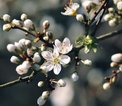
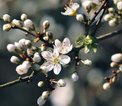
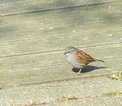
Short on space? These compact native shrubs deliver flowers, berries, and nesting cover without swallowing your garden.
Bare-root hedging is cheap, quick to establish, and easy to plant if you get the timing and technique right.
A wildlife hedge earns its keep by offering flowers, berries, and shelter across the seasons, so pick plants with more than one job.
The way you cut a hedge decides whether it feeds wildlife or just looks tidy, so it pays to know when to trim and when to leave well alone.
On a working smallholding, a native hedge earns its place by sheltering livestock, cutting wind damage, and supporting pollinators alongside crops.