


Trimming vs. Letting Grow: How to Manage a Wildlife Hedge
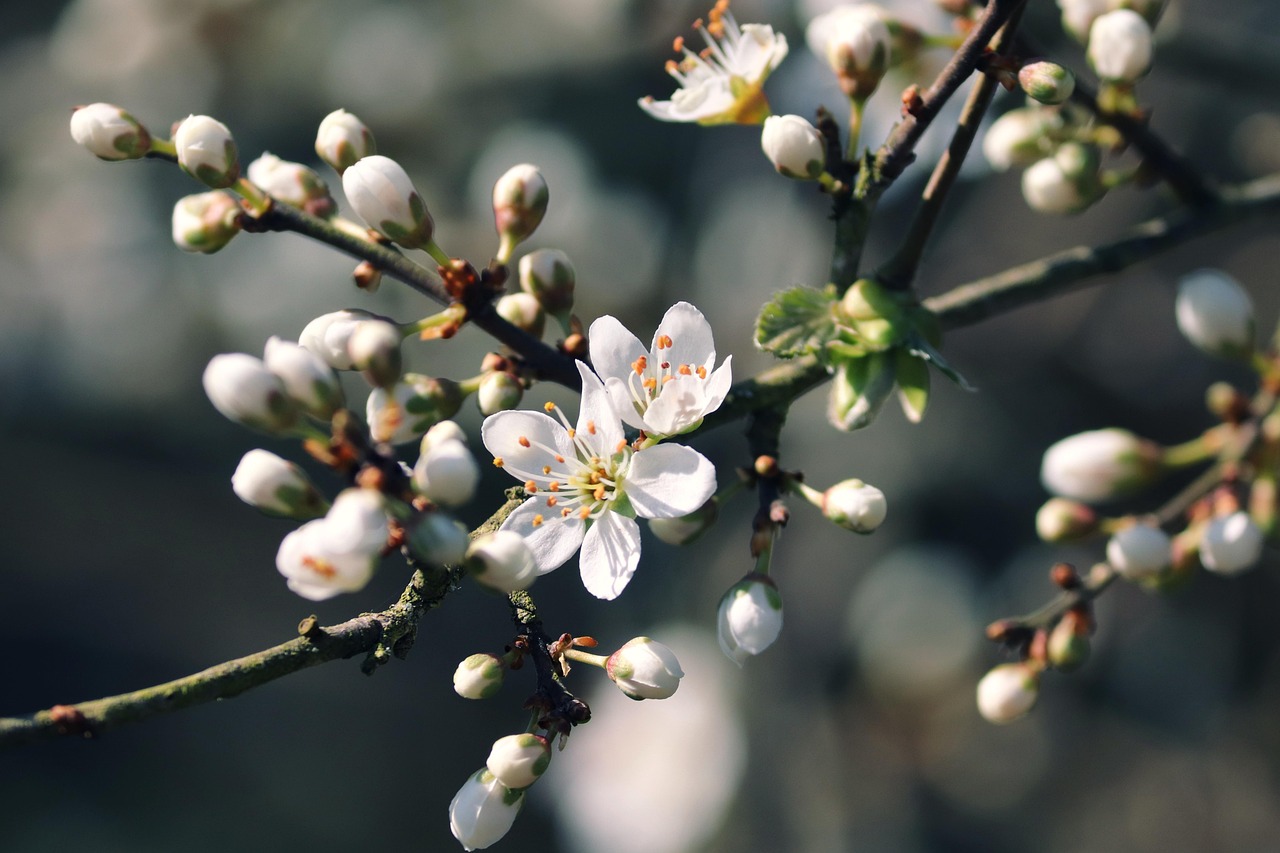
There is a quiet tension in hedge management. A neatly clipped hedge looks smart and keeps its shape, but the tidiest hedge is often the poorest for wildlife. Flowers, berries, and nesting sites all depend on how and when you cut. The good news is you do not have to choose between a handsome hedge and a useful one. A little planning lets you have both.
First, understand what trimming does. Cutting removes the growing tips and encourages the plant to branch, which is exactly what you want when establishing a young hedge. A dense, bushy base is what makes a hedge good for nesting birds. But once a hedge is mature, heavy annual trimming strips away the flowers and berries that wildlife depend on. The aim is to build structure early, then ease off and cut more thoughtfully.
When to Trim Without Harming Wildlife
Timing is everything. The safest window for most native hedges is late winter, roughly February, while plants are still dormant and before birds start nesting. Trimming then avoids disturbing active nests and gives the hedge the whole growing season to recover. Never cut a hedge between March and August if you can avoid it, as this is peak nesting season and you risk destroying nests hidden in the foliage.
If you must trim in summer, do it lightly and check carefully for nests before you start. A second light trim in late summer can tidy growth, but heavy cutting then removes berries before birds can eat them. For berry-bearing species like holly and hawthorn, consider leaving them uncut for a year or two so they can fruit properly, then cut back afterwards.
How you cut matters too. Aim for a slightly A-shaped profile, wider at the base than the top. This lets light reach the lower branches, keeping the base leafy rather than bare and woody. Bare bases are a common problem in over-trimmed hedges and make poor cover for wildlife. Cutting a hedge in rotation, a section each year rather than the whole length at once, keeps some flowers and berries available every season.
Letting Parts of the Hedge Grow Wild
One of the simplest wildlife wins is to stop cutting everything. Let a section of your hedge grow taller and flower, or allow a few plants to reach their natural height. Taller, looser growth provides more nesting sites and lets plants produce the flowers and fruit that trimmed hedges never manage. You can keep the front of the hedge neat for appearance while letting the top and back grow wilder, which suits both you and the wildlife.
For older hedges that have become gappy and leggy, consider laying or coppicing rather than just trimming. These traditional techniques rejuvenate a hedge from the base and restore its density, though they need a year or two of patience while the hedge regrows. If you are unsure, start small: reduce the frequency of cuts, vary your timing, and watch how the birds and bees respond. A hedge managed with a lighter touch soon shows its appreciation.

The way you cut a hedge decides whether it feeds wildlife or just looks tidy, so it pays to know when to trim and when to leave well alone.
On a working smallholding, a native hedge earns its place by sheltering livestock, cutting wind damage, and supporting pollinators alongside crops.
If your boundary is all posts and wire, you can replace it with a living native hedge that looks better and does far more for wildlife.
A practical walkthrough of how to match native hedge species to your site's soil, drainage, and climate before you ever dig a hole.
Hedge laying is the old skill of partially cutting and bending stems to create a dense, stock-proof living barrier — and it's still the best thing you can do for wildlife.